

When schools feel safe, children stay
We help schools and child-facing organisations reduce dropout and strengthen safeguarding by building early intervention systems, emotional skills, and protective relationships that help vulnerable children stay, learn, and thrive.
Organizations already supported:






A practical path from insight to implementation
Every engagement begins by understanding your real context: where students are becoming vulnerable, where systems are unclear, and where staff need stronger tools to respond.
From there, we build practical solutions: early identification systems, SEL and emotional intelligence curricula, and safer learning environments that strengthen student retention and protection.
This is not generic consulting. It is field-tested, implementation-focused work shaped by direct experience with vulnerable students, educators, and school systems.
You care deeply. But your system may still be noticing vulnerable students too late.
Students rarely disengage all at once. The signs often appear earlier: repeated absences, emotional distress, bullying, family pressure, unsafe relationships, or a quiet loss of connection with school.
But many schools and child-facing organisations do not yet have a clear system to identify these risks, respond consistently, and follow up over time.
That is where this work begins: helping you move from concern to clarity, and from isolated support to a structured system that protects students and helps them stay in education.
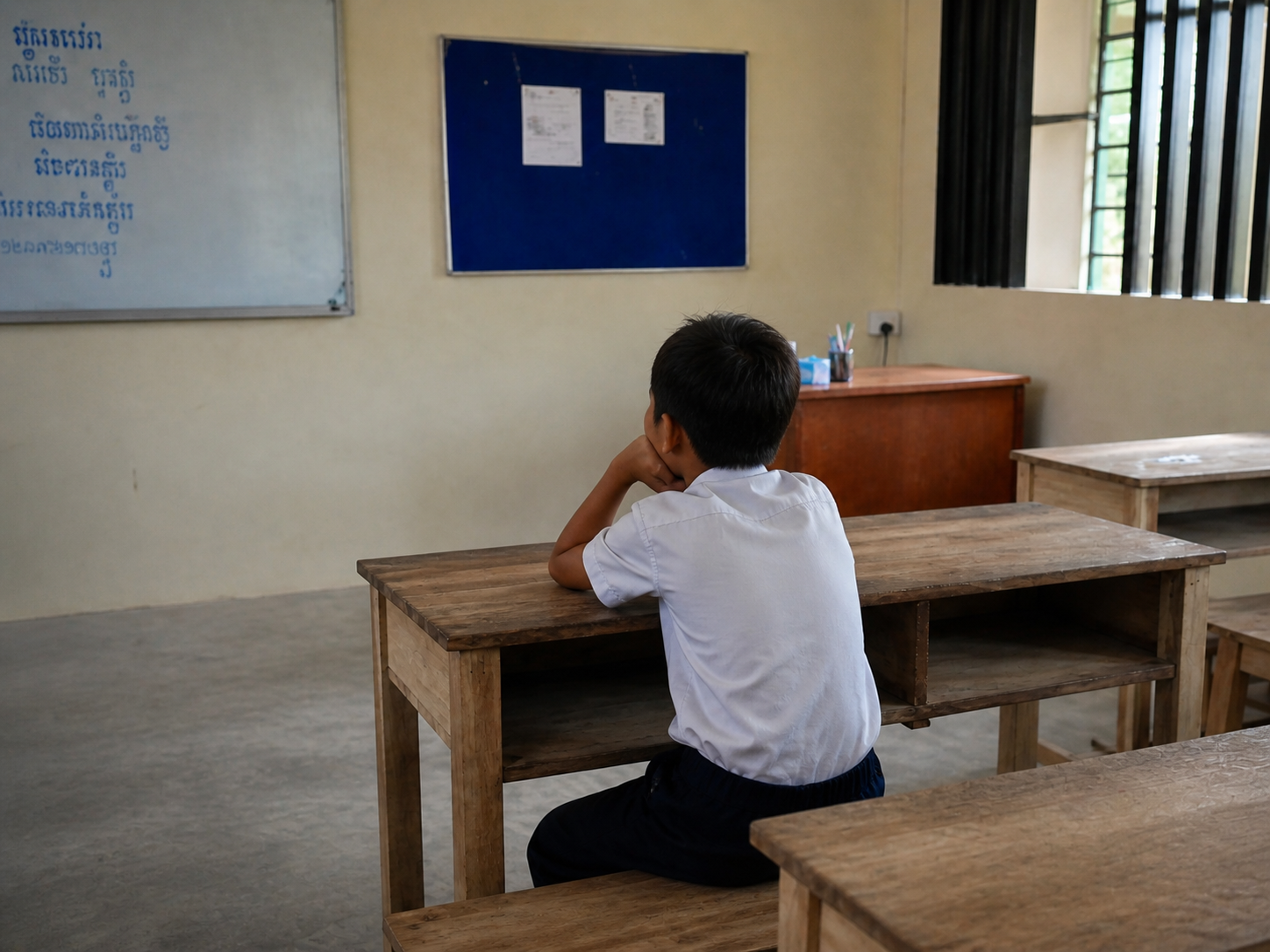
Every student deserves a school that can
see them, teach them, and protect them.
These three pillars work independently and multiply each other's impact when combined.
Identification
Intelligence
Relationships
Early Identification System
Schools miss dropout signals because they have no system to catch them early. Many students disengage gradually — through absences, behavioural shifts, emotional withdrawal, or family difficulties — long before they leave. We help schools build an Early Identification System that detects these signs before they become crises.
What we help build
- Early warning indicators tailored to the school's context
- Simple tracking tools that teachers can use without extra burden
- Referral and case management pathways
- Risk classification systems to prioritise support
- Documentation templates and follow-up routines
- Coordination between teachers, leadership, social workers, and families
- Staff training to recognise risk and respond with confidence
Outcome
A practical system that helps schools identify vulnerable students earlier, respond faster, and prevent problems from escalating into dropout.
SEL & Emotional Intelligence Curriculum
Students who can name what they feel are more likely to ask for help before they leave. Retention is not only about attendance — it is about whether students feel emotionally capable, connected, and supported enough to continue. We help schools design and implement SEL curricula that strengthen students' internal resources and improve the emotional climate of every classroom.
What we help develop
- Classroom routines that promote emotional awareness and safety
- Practical tools for naming, understanding, and regulating emotions
- SEL lessons adapted to students' age, culture, and context
- Activities to strengthen resilience, empathy, confidence, and decision-making
- Teacher guides and facilitation materials
- Training for educators to deliver SEL meaningfully and safely
- Reflection tools that connect learning to real-life experiences
Outcome
A practical SEL approach that helps students build the emotional and social skills they need to stay engaged, face challenges, and belong.
Protective Relationships & Safe Environments
One trusted adult can change a student's trajectory. Research consistently shows that strong adult-student relationships are among the most powerful protective factors against dropout. We help schools build those relationships at scale — and create environments where students feel psychologically safe, seen, and valued every day.
What we help strengthen
- Adult-student relationship frameworks and mentoring structures
- School climate assessments and belonging indicators
- Trauma-informed practices for all staff
- Psychological safety protocols and classroom norms
- Anti-bullying and peer protection strategies
- Safe disclosure and reporting mechanisms
- Staff wellbeing as a foundation for student safety
Outcome
A school where students feel genuinely protected — not by policies alone, but by the daily actions, relationships, and culture that surround them.
Implementation is a process, not an event.
Every school begins at Phase 0. The pace adapts to your context.
Before we design anything, we listen. School leader and staff interviews, student data review, and an audit of existing practices give us a clear picture of where the school stands across all three pillars. The result is a Readiness Report with a gap analysis and a frank assessment of what needs to be built, adapted, or strengthened.
We co-create the implementation plan with school leadership. This is not a template handed over — it is a process of shared design. We map which tools go where, assign clear roles, adapt materials to the school's culture and constraints, and set realistic timelines. School ownership from Day 1 is what makes implementation stick.
Professional development for all staff: teachers, counsellors, support staff, and leadership. Trainings cover trauma-informed practices, emotional intelligence skills, early identification protocols, and relational safety. Follow-up coaching sessions ensure the learning translates into daily practice — not just a workshop binder on a shelf.
All three pillars are rolled out simultaneously. The student-facing SEL curriculum begins in classrooms, the Early Identification System goes live, and relationship-building practices are embedded into daily school life. Weekly coaching for key staff and monthly leadership check-ins keep the process on track and responsive to what emerges.
Quarterly data reviews, peer coaching structures, and annual framework refinement keep the system alive and evolving. We support the gradual transfer of ownership to school leadership so the framework continues without external dependency. Schools that complete this phase join a network of practitioners sharing evidence and practice.
Why this work is different
This approach was not developed in theory alone. It was built in practice, inside a high-risk school context where dropout, family violence, trauma, bullying, poverty, and emotional distress were everyday realities.
At PSE in Cambodia, this work helped shape a child protection and student retention model that supported hundreds of vulnerable students, strengthened emotional safety, and contributed to reducing annual dropout.
The support offered here is grounded, strategic, and designed for real-world implementation.
FOUNDER
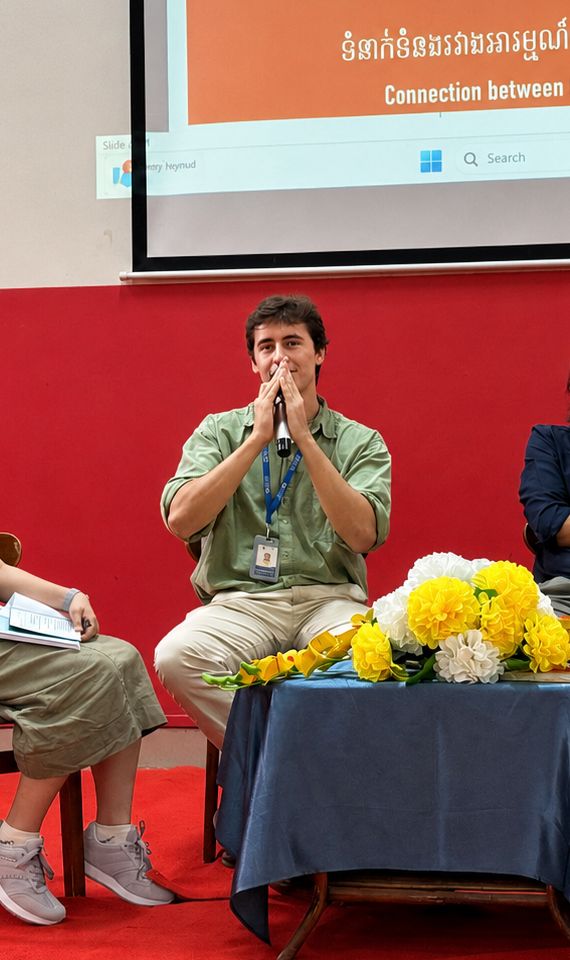
Meet Fernando Restoy
Fernando Restoy is the founder of The Ripple Effect and a specialist in emotional safety, student retention, and child protection.
His work helps schools and education organisations identify what is driving student disengagement, strengthen safeguarding systems, and build environments where children feel safe enough to stay, speak, learn, and succeed.
At PSE in Cambodia, Fernando designed and led a child protection and dropout prevention model supporting vulnerable students through early identification, emotional support, coordinated intervention, and follow-up.
His approach combines field experience with practical tools from safeguarding, social and emotional learning, trauma-informed practice, emotional intelligence, and education systems improvement.
Ready to strengthen your student support system?
Start with a free 30-minute conversation. We will look at your context, your current challenges, and whether a Student Retention & Safeguarding Diagnostic is the right next step.